
Small Daily Habits That Affect Liver Health
- All about the liver
Creation: 23 Sep 2026
Last update: 19 Nov 2026
Your liver supports hundreds of essential functions every day, and small lifestyle habits can influence how well it performs. Learn how factors such as diet, sleep, physical activity, alcohol intake, and medication use may affect liver health, along with simple steps you can take to help support long-term liver wellness.
The liver is one of the hardest-working organs in your body, quietly filtering toxins, aiding digestion, and storing energy. Yet many of the habits that may affect liver health are so small and routine that we barely notice them. Over time, these everyday habits affecting liver health can add up and may influence how well this vital organ functions.
For many Filipinos juggling busy schedules, late nights, and on-the-go meals, it helps to know which daily routines deserve a second look. Below, we explore common habits that may slowly affect your liver and practical ways to support liver wellness.
What Daily Habits Can Affect Liver Health?
Several ordinary, repeated routines may gradually affect your liver. The most common include skipping meals, frequent alcohol intake, lack of sleep, too much processed food, and a sedentary lifestyle. Each one, on its own, may seem harmless, but together these unhealthy lifestyle habits can place added strain on the liver over time.
This connection matters because liver problems often develop silently. Fatty liver disease, for example, has an estimated global prevalence of 25% and is frequently linked to lifestyle-related conditions such as obesity and type 2 diabetes [1]. Here's a closer look at the daily habits worth paying attention to.
Eating Too Much Processed and Fatty Food
Filipino comfort food is delicious, but diets high in fried, salty, and processed items may contribute to fat buildup in the liver. Balancing meals with vegetables, fruits, and lean protein is a simple way to ease the load on your liver. This matters because the accumulation of triglycerides in liver cells is a key driver of fatty liver disease 1.
Skipping Meals or Crash Dieting
Going long hours without eating, or following extreme diets, is among the everyday habits affecting liver health that often go unnoticed. Irregular eating patterns may disrupt how your body manages energy and fat. Aim for balanced, regular meals instead.
Not Getting Enough Sleep
Sleep is when your body, including your liver, carries out repair and maintenance. Consistently sleeping late or getting too little rest is one of those unhealthy lifestyle habits that may affect overall metabolic balance. Try to keep a consistent sleep schedule.
Living a Sedentary Lifestyle
Sitting for long periods with little physical activity may contribute to weight gain and fat accumulation, which can affect the liver. Because metabolic dysfunction-associated fatty liver disease (MAFLD) is closely tied to metabolic health, even light daily movement, such as walking, stretching, or household chores, can make a difference.
Overusing Medications or Supplements
Taking medicines or supplements beyond recommended amounts may place extra demand on the liver. Always follow package directions and consult a healthcare professional if you're unsure about dosage or combinations.
Frequent Alcohol Consumption
Regular alcohol intake is one of the most well-known habits that may affect liver health. The liver processes alcohol, and drinking often or in large amounts may make this job harder over time. Moderating your intake—or choosing alcohol-free days each week—can give your liver room to recover.
How Can You Support Your Liver Every Day?
Supporting your liver starts with small, consistent choices: eat balanced meals, stay hydrated, move regularly, limit alcohol, and get enough sleep. Replacing even one or two habits that may affect liver health with healthier alternatives may help support your liver's natural functions over time.
Simple daily steps include:
-
Drinking enough water throughout the day
-
Choosing home-cooked meals over fried or processed options when possible
-
Adding more fruits and vegetables to your plate
-
Taking short walks or stretching breaks
-
Keeping a regular sleep routine
-
Being mindful of alcohol intake
Consistent small changes may add up over time, offering meaningful support for your overall wellness.
Can liver damage happen without symptoms?
Yes. Many liver conditions, including fatty liver disease, may develop gradually and show few or no symptoms in the early stages. This is why maintaining healthy lifestyle habits and attending regular medical checkups are important for monitoring liver health.
Conclusion
Caring for your liver doesn't require a dramatic overhaul, just mindful attention to the small habits that may affect liver health and a willingness to make gradual improvements. By eating well, staying active, resting enough, and being mindful of alcohol, you give your liver the everyday support it deserves.
To complement these healthy choices, Phospholipids (Essentiale Forte P) may help support your liver cell health as part of a balanced lifestyle—so you can keep doing more of what you love.
If symptoms persist, consult your doctor.
MAT-PH-2601111 / Ver 1.0 / DA 08-2026 / DM 08-2026
Opella Healthcare Philippines Inc.
FAQs
Can Everyday Habits Really Affect Liver Health?
Yes, repeated daily routines such as poor diet, irregular sleep and frequent alcohol intake may gradually affect liver health. Making small, consistent improvements—and supporting your liver with Phospholipids (Essentiale Forte P)—may help maintain its natural function as part of a balanced lifestyle.
How can I improve my liver health naturally?
Supporting liver health starts with daily habits. Eating balanced meals, staying physically active, getting enough sleep, limiting alcohol intake, and maintaining a healthy weight may all contribute to overall liver wellness. Consistency is often more important than making drastic changes.
What are the best daily habits for a healthy liver?
Some of the most beneficial habits for liver health include eating a balanced diet rich in fruits and vegetables, staying hydrated, exercising regularly, getting adequate sleep, and being mindful of alcohol consumption. These simple habits may help support your liver's normal functions over time.
What Is Phospholipids (Essentiale Forte P) and How Does It Support the Liver?
Phospholipids (Essentiale Forte P) is a supplement that contains essential phospholipids, which are naturally part of healthy liver cell membranes. It may help support liver cell health when used alongside a balanced diet and healthy lifestyle habits. Research suggests essential phospholipids can help restore the optimal intrahepatic environment for normal lipid metabolism, and studies report that a high proportion of patients show clinical improvement with their use 2,3.
How Soon Can I Improve My Daily Habits for Better Liver Health?
You can start today by adjusting simple routines like meals, hydration and sleep. Pairing these everyday changes with Phospholipids (Essentiale Forte P) may contribute to your overall wellness journey over time.
What Are the Early Signs of Liver Strain?
Liver strain is often silent in its early stages, which is why everyday habits matter so much. When symptoms do appear, they may include fatigue, discomfort in the upper right abdomen or digestive changes. If you notice persistent symptoms, consult a healthcare professional for proper evaluation.
Does Losing Weight Help Your Liver?
Yes. For people with fat buildup in the liver, gradual weight loss through balanced eating and regular movement is widely recommended as a first-line approach to support liver health 4. Even modest, consistent changes can make a meaningful difference over time.
Is Fatty Liver Disease Common in People With Diabetes or Obesity?
Yes. Fatty liver disease is far more common in people with type 2 diabetes, obesity, high cholesterol, or hypertension, and those with metabolic syndrome—which may include any combination of these conditions—have a significantly higher risk of developing fatty liver disease 1. This is why managing weight, blood sugar, blood pressure, and diet plays such an important role in liver wellness.
Can Essential Phospholipids Help Improve Fatty Liver on Ultrasound?
Studies suggest they may. In large clinical studies, essential phospholipids used alongside standard care were associated with improvements in the ultrasonographic features of fatty liver, including liver echogenicity and structure 5. As always, results may vary, and supplements work best as part of a healthy lifestyle.
Learn more

- all-about-the-liver
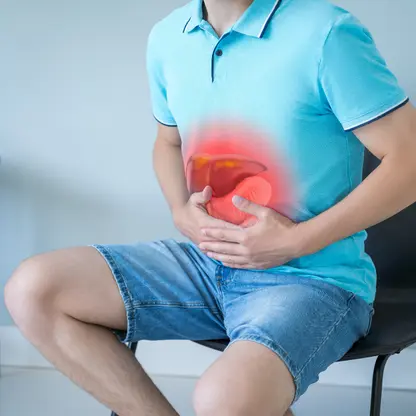
6 Habits That May Increase Your Fatty Liver Risk
- all-about-the-liver
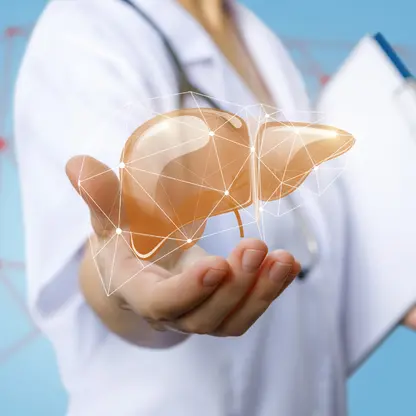
How Common Is Fatty Liver in the Philippines & Who Is at Risk?
- all-about-the-liver
Unlocking Liver Health: Clinical Role of Phospholipids
- All about the liver
Recovering from Liver Damage: How Phospholipids (Essentiale Forte P) Supports Natural Liver Repair
Find your product
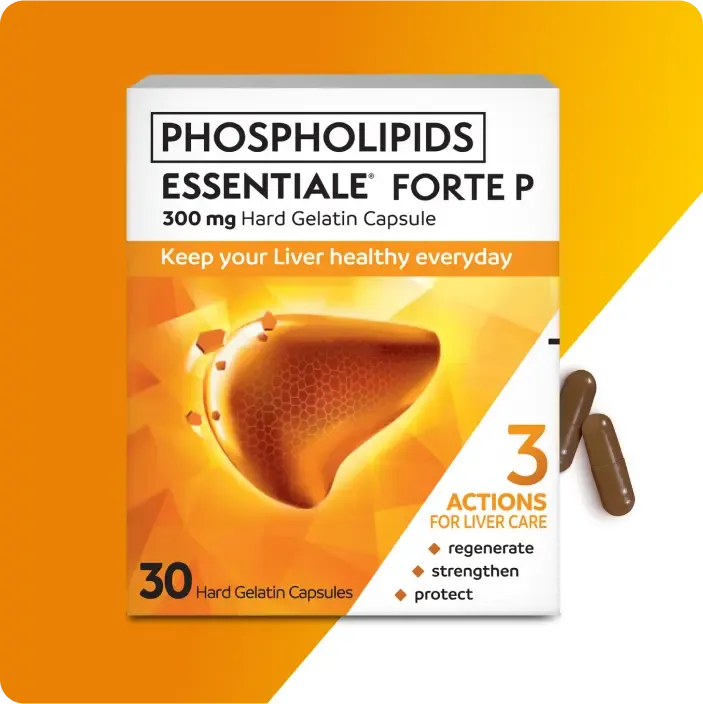
Essentiale® Forte P: Accelerate liver regeneration
- Liver regeneration
- 300mg
- Up to 2 capsules per dose
References
- Younossi, Z. M., Koenig, A. B., Abdelatif, D., Fazel, Y., Henry, L., & Wymer, M. (2016). Global epidemiology of nonalcoholic fatty liver disease—Meta-analytic assessment of prevalence, incidence, and outcomes. Hepatology, 64(1), 73–84. https://doi.org/10.1002/hep.28431
- Dajani, A. I., & Popovic, B. (2020). Essential phospholipids for nonalcoholic fatty liver disease associated with metabolic syndrome: A systematic review and network meta-analysis. World Journal of Clinical Cases, 8(21), 5235–5249. https://doi.org/10.12998/wjcc.v8.i21.5235
- Gundermann, K. J., Gundermann, S., Drozdzik, M., & Mohan Prasad, V. G. (2016). Essential phospholipids in fatty liver: A scientific update. Clinical and Experimental Gastroenterology, 9, 105–117. https://doi.org/10.2147/CEG.S96362
- Chalasani, N., Younossi, Z., Lavine, J. E., Diehl, A. M., Brunt, E. M., Cusi, K., Charlton, M., & Sanyal, A. J. (2012). The diagnosis and management of non-alcoholic fatty liver disease: Practice guideline by the American Association for the Study of Liver Diseases, American College of Gastroenterology, and the American Gastroenterological Association. Hepatology, 55(6), 2005–2023. https://doi.org/10.1002/hep.25762
- Maev, I. V., Samsonov, A. A., Palgova, L. K., Pavlov, C. S., Vovk, E. I., Shirokova, E. N., & Starostin, K. M. (2020). Effectiveness of phosphatidylcholine in alleviating steatosis in patients with non-alcoholic fatty liver disease and cardiometabolic comorbidities (MANPOWER study). BMJ Open Gastroenterology, 7(1), e000341. https://doi.org/10.1136/bmjgast-2019-000341