
6 Habits That May Increase Your Fatty Liver Risk
- All about the liver
Creation: 23 Sep 2026
Last update: 14 Oct 2026
Your liver works behind the scenes every day, but some common habits may increase the risk of fatty liver. Learn how sugary drinks, unhealthy diets, inactivity, alcohol use, poor sleep, and missed checkups may affect liver health, plus practical lifestyle changes that can help support your liver over time.
Some of the most common habits that cause fatty liver are surprisingly ordinary: drinking too many sugary beverages, eating fried and processed foods, sitting for long hours, skipping sleep, and ignoring regular checkups. Over time, these everyday choices may allow excess fat to build-up in the liver, which can affect how well it works.
Fatty liver is becoming more common among Filipinos, partly because of busy lifestyles and the popularity of rice meals, sweet drinks, and fast food. In fact, fatty liver associated with metabolic dysfunction now affects roughly a quarter of the global population 1. The good news is that small, consistent changes to your daily routine may help support your liver. Understanding your daily habits is the first step toward a better lifestyle and liver health.
What Is Fatty Liver?
Fatty liver happens when too much fat accumulates in the liver cells. A healthy liver contains little to no fat, but when fat makes up a significant portion of the liver, it may interfere with the organ's important jobs, such as filtering toxins and aiding digestion 2.
There are two main types: alcoholic fatty liver, linked to drinking alcohol, and non-alcoholic fatty liver, which is tied to diet, weight, and lifestyle factors 3. Many people with early fatty liver feel no symptoms, which is why awareness of fatty liver risk factors is so valuable.
Which Daily Habits Can Increase Your Risk of Fatty Liver?
The daily habits below are among the most common fatty liver risk factors. Recognizing them can help you make simple adjustments that support your liver over time. The six habits to watch are sugary drinks, fried and processed foods, inactivity, frequent alcohol use, poor sleep, and skipped checkups.
1. Drinking Too Many Sugary Beverages
Regularly consuming soft drinks, sweetened coffee, milk teas, and packaged juices may contribute to fat buildup in the liver. These drinks are high in added sugar, especially fructose, which the liver must process 4. Choosing water or unsweetened drinks more often is one of the easiest ways to reduce this risk.
2. Eating Fried and Highly Processed Foods
A diet heavy in fried foods, fatty meats, instant noodles, and processed snacks is one of the more well-known unhealthy habits for liver wellness. These foods are often high in unhealthy fats, salt, and refined carbohydrates 5. Balancing your plate with vegetables, fruits, and fiber-rich foods may help support a healthier liver.
3. Living a Sedentary Lifestyle
Sitting for long periods with little physical activity can contribute to weight gain and fat buildup, including in the liver 2. Many office workers, drivers, and students spend most of the day seated. Adding regular movement, such as walking, stretching, or light exercise, plays an important role in lifestyle and liver health.
4. Frequent Alcohol Consumption
Drinking alcohol often, even in social settings, may put extra strain on the liver. The liver works hard to break down alcohol, and frequent drinking can lead to fat accumulation over time 6. Moderating alcohol intake is a meaningful step towards protecting your liver.
5. Not Getting Enough Sleep
Regularly sleeping late or getting poor-quality rest is one of the lesser-known habits that cause fatty liver concerns. Lack of sleep may affect metabolism and how the body manages fat and sugar 7. Aiming for consistent and restful sleep supports your overall health, including your liver.
6. Skipping Regular Checkups
Because early fatty liver often has no obvious symptoms, skipping checkups means problems may go unnoticed. Routine consultations and tests can help you understand your liver condition 8. Talking to a healthcare professional is always recommended if you have concerns.
Can fatty liver develop even if I don't drink alcohol?
Yes. Non-alcoholic fatty liver disease can occur in people who drink little or no alcohol. Factors such as obesity, type 2 diabetes, high cholesterol, diets high in sugar and processed foods, and physical inactivity may increase the risk. A healthcare professional can help assess your individual risk factors.
How Can You Support Better Liver Health?
Many people ask whether lifestyle changes alone are enough or if liver supplements may also play a role in supporting liver health. Healthy habits such as eating a balanced diet, staying physically active, managing weight, limiting alcohol intake, and getting enough sleep remain the foundation of liver wellness.
Thus, supporting your liver starts with small, manageable changes rather than drastic overhauls. The following steps may help reduce common fatty liver risk factors:
-
Choose water or unsweetened drinks instead of sugary beverages.
-
Add more vegetables, fruits, and fiber to your meals.
-
Move your body for at least a few minutes every day.
-
Limit fried, processed, and high-fat foods.
-
Get enough quality sleep each night.
-
Visit your doctor for regular checkups and advice.
Replacing even one or two unhealthy habits for liver wellness with healthier choices can make a meaningful difference over time. If you are considering supplements, consult your doctor or pharmacist to determine what may be appropriate for your individual health needs.
Support Your Liver Health Journey with Phospholipids (Essentiale Forte P)
Caring for your liver is a daily commitment, and small changes in your routine can add up over time. Alongside a balanced diet, regular activity, and enough rest, many Filipinos look for additional ways to support their liver.
Phospholipids (Essentiale Forte P) is a brand associated with liver health support and may be considered as part of a healthy lifestyle. As always, talk to your doctor or pharmacist to find out if Phospholipids (Essentiale Forte P) is right for you, and never replace professional medical advice with self-treatment.
If symptoms persist, consult your doctor.
MAT-PH-2601111 / Ver 1.0 / DA 08-2026 / DM 08-2026
Opella Healthcare Philippines Inc.
FAQs
What are the most common habits that cause fatty liver?
The most common habits include drinking sugary beverages, eating fried and processed foods, staying inactive, frequent alcohol use, poor sleep, and skipping checkups. Making gradual changes, along with consulting your doctor, can help support liver health. Some people also ask their healthcare provider whether supplements like Phospholipids (Essentiale Forte P) may complement a healthier lifestyle.
Are there other ways to support liver health besides diet and exercise?
Diet and exercise are important parts of maintaining liver health. Depending on your individual health condition, a healthcare professional may recommend additional approaches as part of an overall liver health plan. Always consult your doctor for personalized advice and avoid self-diagnosis or self-treatment.
Can lifestyle changes really improve liver health?
Yes, adjusting daily habits such as diet, activity, and sleep may help support overall lifestyle and liver health. While results vary from person to person, healthier routines are a positive step. Your doctor can advise whether products like Phospholipids (Essentiale Forte P) are suitable for your needs.
When should I talk to a doctor about my liver?
It's a good idea to consult a healthcare professional if you have ongoing fatigue, discomfort, or risk factors like obesity or frequent alcohol use. A doctor can recommend the right tests and guidance. They can also discuss whether Phospholipids (Essentiale Forte P) or other options may be appropriate for you.
Is fatty liver reversible?
Early-stage fatty liver may improve when underlying causes such as diet, weight, and inactivity are addressed, though outcomes vary by individual. Because fibrosis can develop silently over time, early detection through regular checkups is important 2.
Always follow your doctor's advice for your specific situation.
Who is most at risk of fatty liver?
People with obesity, type 2 diabetes, high cholesterol, or those who frequently consume alcohol face a higher risk of fatty liver 9. Sedentary lifestyles and diets high in sugar and processed foods also raise the risk. A healthcare professional can help assess your personal risk factors.
Learn more
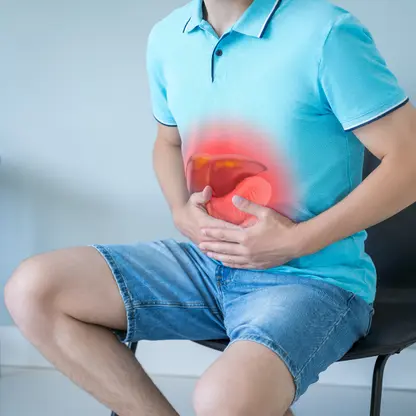
- all-about-the-liver
How Common Is Fatty Liver in the Philippines & Who Is at Risk?
- all-about-the-liver
Unlocking Liver Health: Clinical Role of Phospholipids
- All about the liver
Recovering from Liver Damage: How Phospholipids (Essentiale Forte P) Supports Natural Liver Repair
- All about the liver
Boost Your Liver Health
Find your product
%20(1)%20(1)%20(1).2025-11-04-14-17-08.webp)
Essentiale® Forte P: Accelerate liver regeneration
- Liver regeneration
- 300mg
- Up to 2 capsules per dose
References
- Eslam, M., Sanyal, A. J., & George, J. (2020). MAFLD: A consensus-driven proposed nomenclature for metabolic associated fatty liver disease. Gastroenterology, 158(7), 1999–2014. https://doi.org/10.1053/j.gastro.2019.11.312
- Gluchowski, N. L., Becuwe, M., Walther, T. C., & Farese, R. V. (2017). Lipid droplets and liver disease: From basic biology to clinical implications. Nature Reviews Gastroenterology & Hepatology, 14(6), 343–355. https://doi.org/10.1038/nrgastro.2017.32
- Younossi, Z. M., Koenig, A. B., Abdelatif, D., Fazel, Y., Henry, L., & Wymer, M. (2016). Global epidemiology of nonalcoholic fatty liver disease—Meta-analytic assessment of prevalence, incidence, and outcomes. Hepatology, 64(1), 73–84. https://doi.org/10.1002/hep.28431
- Jensen, T., Abdelmalek, M. F., Sullivan, S., Nadeau, K. J., Green, M., Roncal, C., Nakagawa, T., Kuwabara, M., Sato, Y., Kang, D. H., Tolan, D. R., Sanchez-Lozada, L. G., Rosen, H. R., Lanaspa, M. A., Diehl, A. M., & Johnson, R. J. (2018). Fructose and sugar: A major mediator of non-alcoholic fatty liver disease. Journal of Hepatology, 68(5), 1063–1075. https://doi.org/10.1016/j.jhep.2018.01.019
- Zelber-Sagi, S., Ivancovsky-Wajcman, D., Fliss Isakov, N., Webb, M., Orenstein, D., Shibolet, O., & Kariv, R. (2018). High red and processed meat consumption and nonalcoholic fatty liver disease and insulin resistance. Journal of Hepatology, 68(6), 1239–1246. https://doi.org/10.1016/j.jhep.2018.01.015
- Åberg, F., Helenius-Hietala, J., Puukka, P., Färkkilä, M., & Jula, A. (2018). Interaction between alcohol consumption and metabolic syndrome in predicting severe liver disease in the general population. Hepatology, 67(6), 2141–2149. https://doi.org/10.1002/hep.29631
- Um, Y. J., Chang, Y., Jung, H. S., Cho, I. Y., Shin, J. H., Shin, H., Wild, S. H., Byrne, C. D., & Ryu, S. (2021). Sleep duration, sleep quality, and the development of nonalcoholic fatty liver disease: A cohort study. Clinical and Translational Gastroenterology, 12(10), e00417. https://doi.org/10.14309/ctg.0000000000000417
- European Association for the Study of the Liver (EASL), European Association for the Study of Diabetes (EASD), & European Association for the Study of Obesity (EASO). (2016). EASL–EASD–EASO Clinical Practice Guidelines for the management of non-alcoholic fatty liver disease. Journal of Hepatology, 64(6), 1388–1402. https://doi.org/10.1016/j.jhep.2015.11.004
- Chalasani, N., Younossi, Z., Lavine, J. E., Charlton, M., Cusi, K., Rinella, M., Harrison, S. A., Brunt, E. M., & Sanyal, A. J. (2018). The diagnosis and management of nonalcoholic fatty liver disease: Practice guidance from the American Association for the Study of Liver Diseases. Hepatology, 67(1), 328–357. https://doi.org/10.1002/hep.29367